Your Garden in December: Preparing for Winter and Enjoying Seasonal Beauty
Your Garden in December: December is a special month in the garden. Even as the year ends and temperatures drop, your outdoor space still has plenty to offer. Frost, shorter days, and cold winds may slow down gardening activity, but there’s still lots to do to keep your garden healthy, attractive, and ready for spring. In this blog, we’ll explore what to focus on in December, from winter protection to seasonal blooms.
1. Preparing Your Garden for Winter
Winter can be harsh on plants and garden structures, so preparation is key. Begin by clearing fallen leaves and debris, as wet leaves can encourage fungal diseases. Add them to your compost heap or create leaf mould to recycle nutrients back into the garden. The Royal Horticultural Society provides excellent advice on composting garden waste.
Protect tender plants with horticultural fleece or cloches to shield them from frost. Potted plants can be moved to a sheltered spot or wrapped to protect the roots. Check shrubs and climbers to ensure supports and ties are secure for winter winds.
2. Caring for Lawns and Borders
Your lawn slows down in winter, but December is still a good time for maintenance. Rake leaves regularly to prevent smothering, and avoid walking on frosted grass, which can damage blades. If the ground isn’t frozen, you can apply a winter lawn feed to help the grass survive the cold months.
Borders benefit from mulching to protect plant roots and retain moisture. December is also a great time to plan your spring planting, noting where bulbs, perennials, and shrubs will go, and making a list of seeds to order. For more winter lawn care guidance, see our Winter Lawn Care Guide (internal link).
3. Planting and Bulbs
Even in December, you can plant certain species. Bare-root trees and shrubs can go in now, giving them a head start for spring growth, provided the ground is not frozen. Water newly planted trees if the weather is dry.
December is also ideal for planting spring-flowering bulbs like daffodils, tulips, crocuses, and hyacinths. Plant bulbs in well-drained soil in clusters or drifts for a natural look. Companion planting with winter-hardy plants can create interest in your borders. For more advice on bulb planting, visit BBC Gardeners’ World – How to grow spring bulbs.
4. Pruning and Maintenance
Winter is the best time to prune many trees and shrubs while dormant. Remove dead, damaged, or crossing branches to improve airflow and reduce disease risk. Avoid heavy pruning of spring-flowering shrubs, as this removes next year’s buds.
Take time to clean, oil, and sharpen your tools before storing them for winter. Secateurs, loppers, and saws all benefit from proper maintenance, keeping them ready for the spring season.
5. Feeding and Supporting Wildlife
Your garden can support wildlife even in December. Bird feeders with seeds, nuts, and suet attract birds during colder months. Leaving seed heads, berries, and evergreen shrubs provides natural food sources. For advice on feeding birds in winter, see the RSPB winter feeding guide.
If you have a pond, ensure it doesn’t freeze completely. A pond heater or floating device allows gas exchange and protects fish and aquatic life.
6. Enjoying Winter Interest
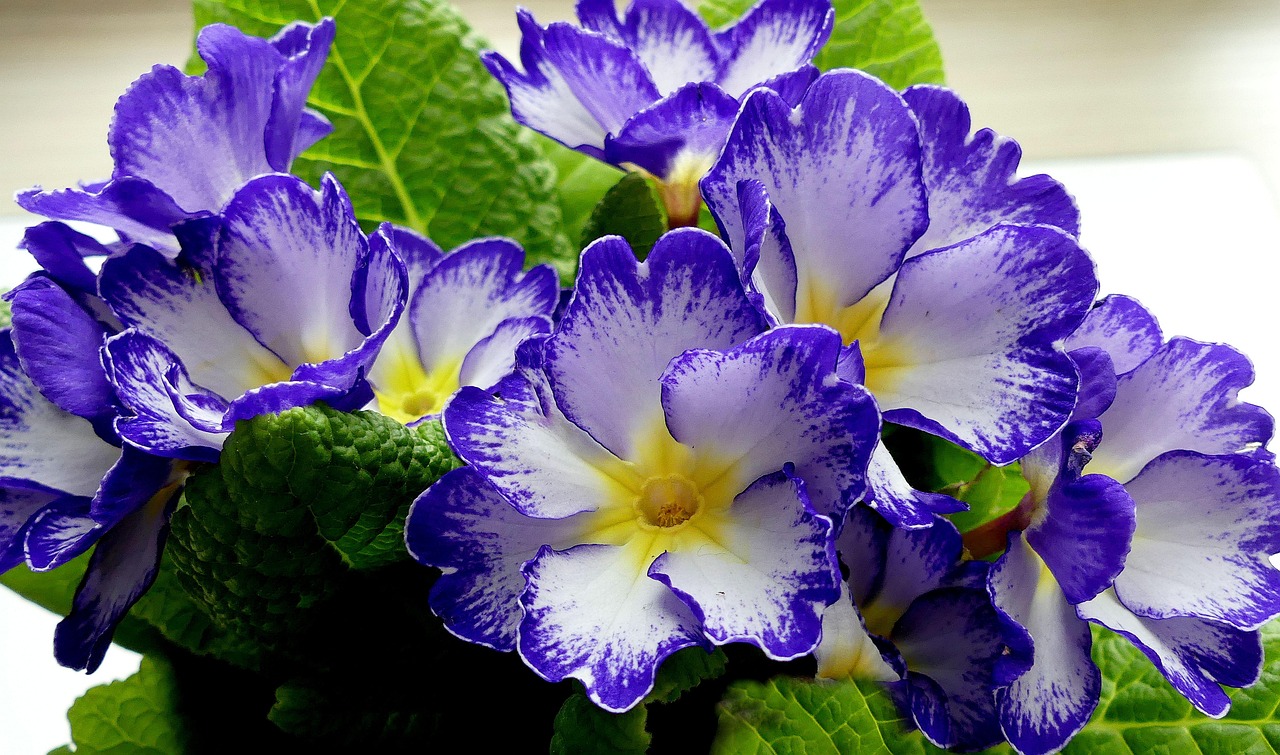
A December garden doesn’t need to be dull. Evergreen shrubs, conifers, holly, and ivy provide structure and colour. Plants like hellebores and winter heathers offer seasonal flowers and visual interest. Winter container displays with evergreens, pansies, and decorative branches can also bring festive charm.
Garden lighting and ornaments add warmth and appeal, particularly in the darker evenings. Check outdoor lights regularly for safety and efficiency.
7. Planning for the New Year
December is the perfect time to reflect on the garden’s successes and challenges over the year. Note what worked well, what didn’t, and start planning spring projects. Make a list of bulbs, seeds, and plants you want to order early, as popular varieties sell quickly.
Creating a gardening schedule for the new year helps you stay organised, with tasks for planting, pruning, feeding, and lawn care throughout the seasons.
Conclusion
Even in December, your garden can be active, attractive, and full of life. By preparing for winter, supporting wildlife, planting bulbs, and planning for the new year, you can maintain a healthy and enjoyable outdoor space. Whether pruning shrubs, mulching borders, or enjoying winter flowers, there’s always something to do.